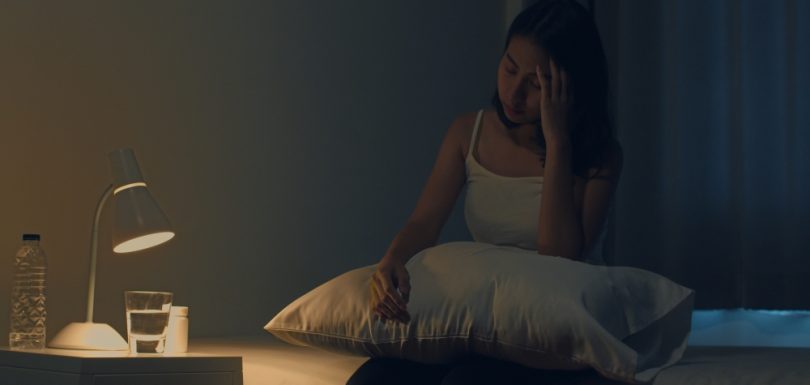
Sleep Apnea

Sleep apnea is a serious and very common disorder. It affects 1 in 25 adult males and 1 in 50 adult females. First described in 1965, sleep apnea is a breathing disorder characterized by brief interruptions of breathing during sleep. It owes its name to a Greek word, apnea, which means, “want of breath.”
Continue Reading

Restless Leg Syndrome

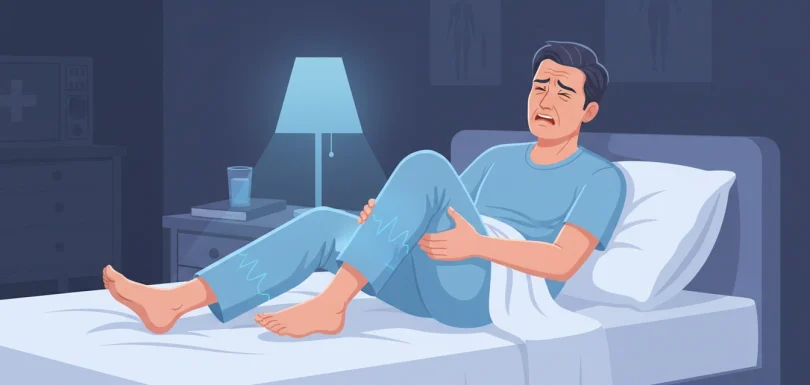
Restless legs syndrome (RLS) is a sleep disorder in which a person experiences unpleasant sensations in the legs described as creeping, crawling, tingling, pulling or painful. These sensations usually occur in the calf area but may be felt anywhere from the thigh to the ankle and can affect one or both legs. For some people, the sensations are also felt in the arms. The sensations occur when the person with RLS lies or sits down for prolonged periods of time, such as at a desk, riding in a car, or watching a movie. People with RLS describe an irresistible urge to move their legs when the sensations occur.
Continue Reading

Narcolepsy

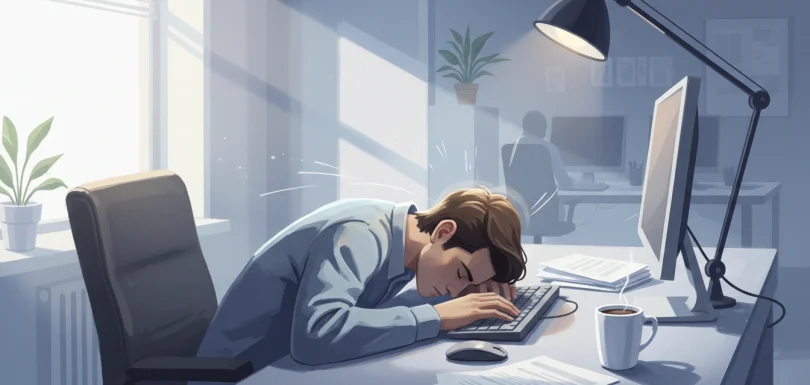
Narcolepsy is a chronic sleep disorder with no known cause. The main characteristic of narcolepsy is excessive and overwhelming daytime sleepiness, even after adequate sleep during the night. A person with narcolepsy is likely to become drowsy or to fall asleep, often at inappropriate times and places. Daytime sleep attacks may be irresistible and occur with or without warning; these attacks can occur repeatedly in a single day. Drowsiness may persist for prolonged periods of time. In addition, nighttime sleep may be fragmented with frequent awakenings.
Continue Reading

Improve Your Sleep

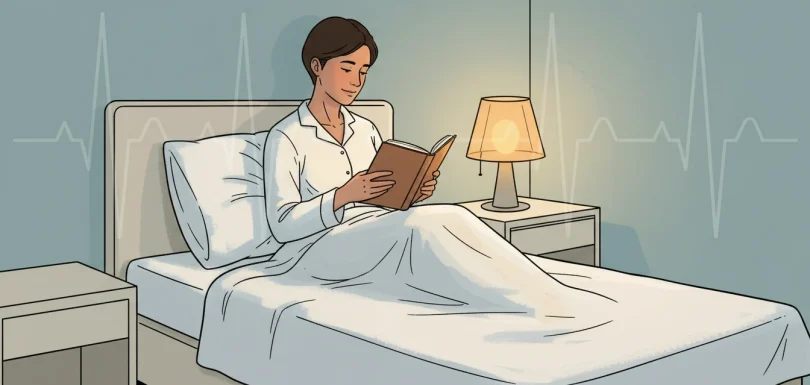
Sleep is a key factor in your mental and physical health. Poor sleep can have negative effects on your brain function, hormones, mental acuity and can lead to weight gain. If you are tossing and turning at night, there are some easy ways you can take back control of your quality of sleep.
Continue Reading

Insomnia

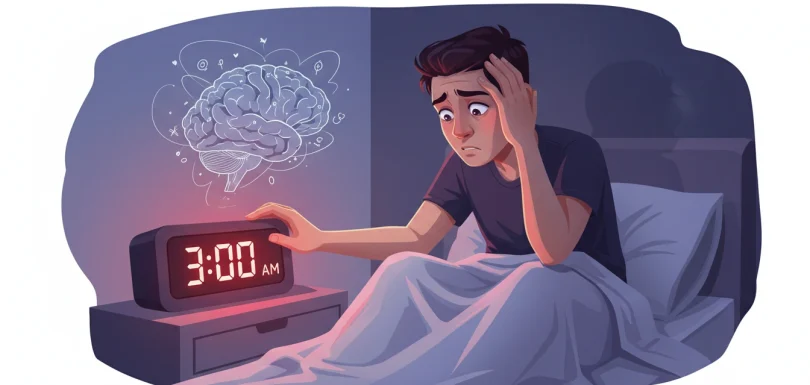
Difficulty falling asleep or staying asleep is called insomnia. According to surveys, it is the most common sleep complaint, which affects 56% of all adults in the U.S. at least a few nights each week. Insomnia is not a sleeping disorder but a sign or symptom of another condition. Insomnia can be classified as transient, which is short-term, lasting from a few nights to a few weeks; intermittent, on and off, lasting from time to time; and chronic, this is constant and occurs for longer than one month. The general rule is that when insomnia affects your daily work routine, job performance, and social life then it may be time to seek diagnosis and treatment.
Continue Reading